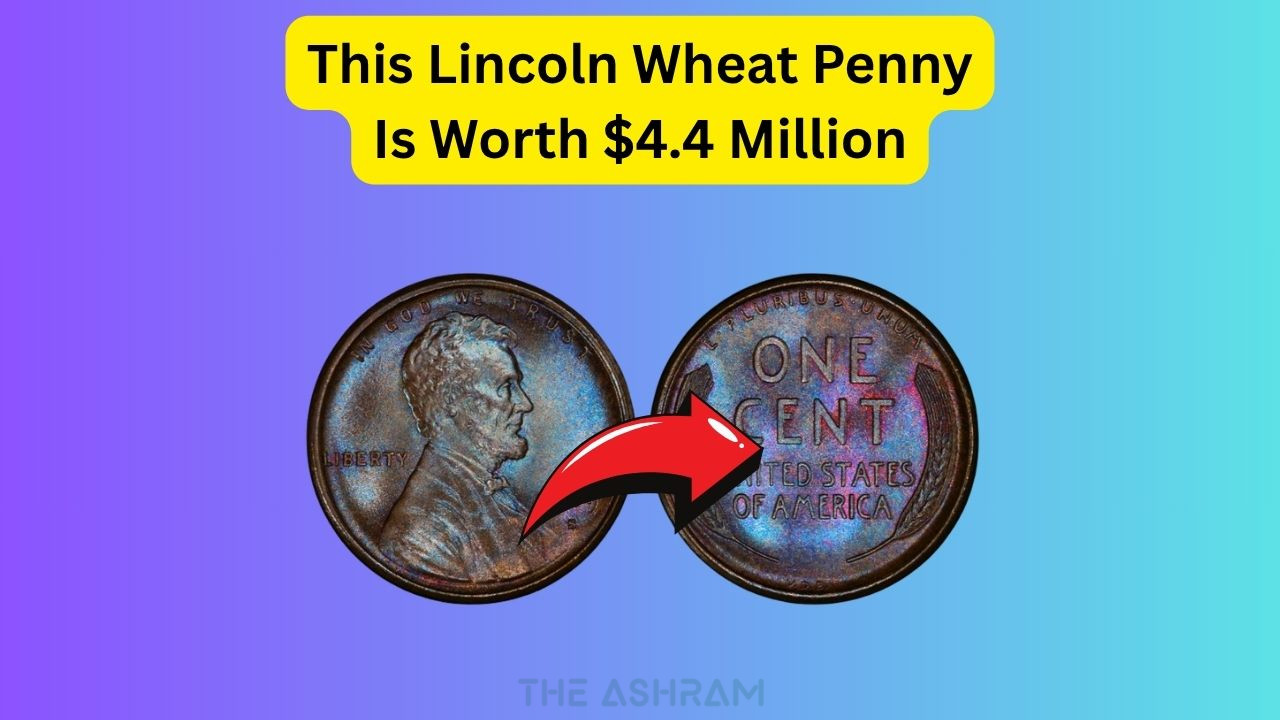
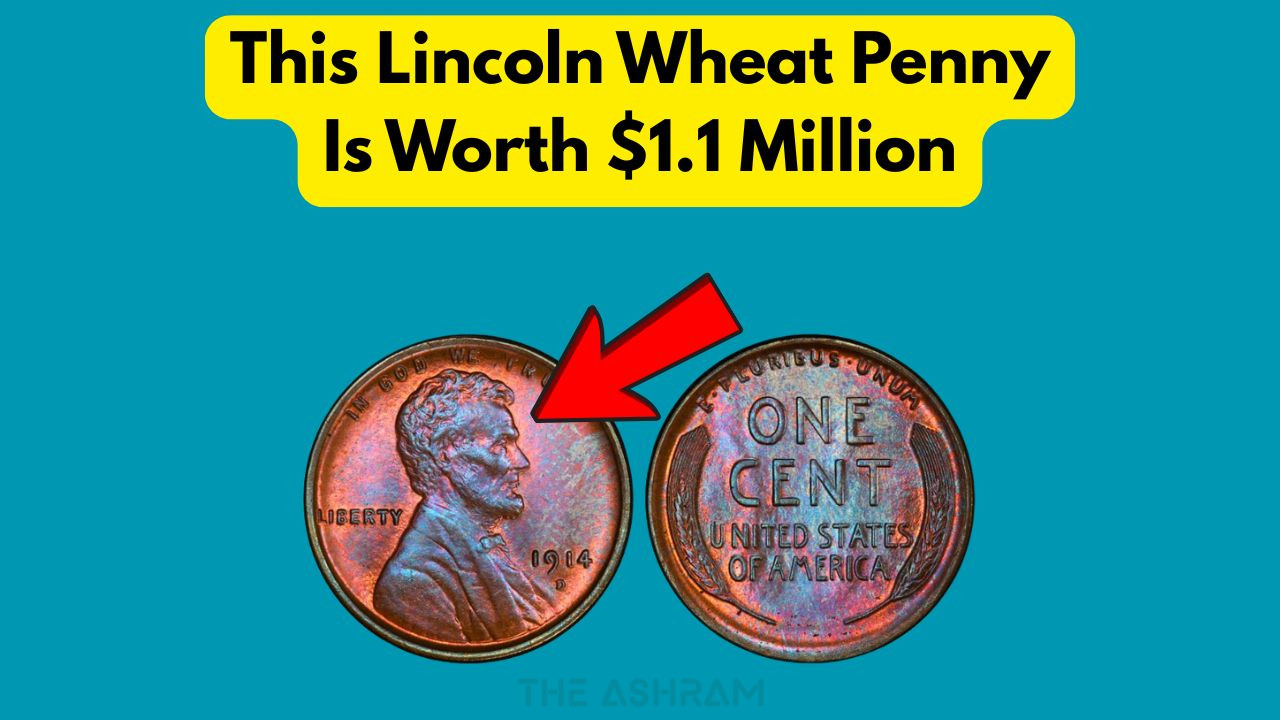
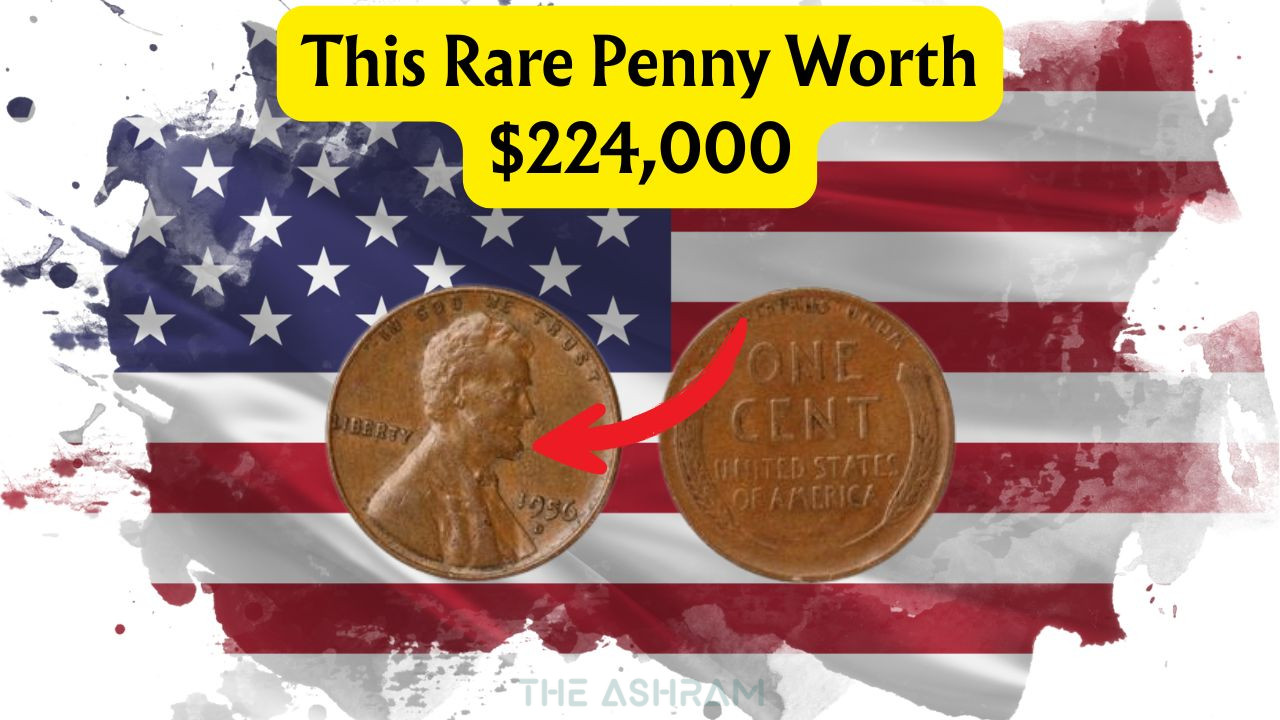
Discover the $11.1 Million Lincoln Wheat Penny Still Circulating Today: The world of numismatics is filled with fascinating stories and rare finds, but few tales are as intriguing as that of the $11.1 million Lincoln Wheat Penny. This extraordinary coin, still in circulation today, captures the imagination of collectors and historians alike, offering a glimpse into a bygone era of minting history.
The Historical Significance of the Lincoln Wheat Penny
The Lincoln Wheat Penny, first minted in 1909, marked a significant departure from previous U.S. coin designs. Commissioned to celebrate the centennial of Abraham Lincoln’s birth, it was the first American coin to feature a real person’s likeness. This design choice was not without controversy, as it broke the long-standing tradition of using allegorical figures. However, the public quickly embraced the coin, and it became a staple of American currency.
- 1909 Introduction: Released to commemorate Lincoln’s 100th birthday.
- Design: Featured Lincoln’s bust on the obverse and wheat stalks on the reverse.
- Produced by the U.S. Mint for decades, with minor design changes.
- Symbolized patriotism and innovation in coinage.
- Transitioned to the Lincoln Memorial design in 1959.
- Collectors prize early editions for their historical value.
- Rarity: Some editions are extremely scarce and valuable.
Notable Features and Variations
While all Lincoln Wheat Pennies share the iconic design, some variations are particularly noteworthy. The most famous is the 1943 copper penny, a rare error coin. During World War II, copper was needed for the war effort, so pennies were struck in steel. However, a few copper blanks from 1942 were mistakenly used, creating an incredibly rare and valuable penny. Another notable variation is the 1922 “No D” penny, struck in Denver without the usual mint mark due to a production error.
| Year | Metal | Mint Mark | Mint Location | Notable Error | Estimated Value | Current Circulation | Historical Context |
|---|---|---|---|---|---|---|---|
| 1909 | Copper | VDB | Philadelphia | None | $600+ | Low | First year of issue |
| 1914 | Copper | D | Denver | None | $1,500+ | Low | Early edition |
| 1922 | Copper | No D | Denver | Mint mark error | $5,000+ | Extremely Rare | Mint mark omission |
| 1943 | Steel | P/D/S | Multiple | Copper planchet | $100,000+ | Extremely Rare | World War II |
| 1955 | Copper | P | Philadelphia | Double die | $1,800+ | Low | Mint error |
| 1944 | Steel | P/D/S | Multiple | None | $75,000+ | Extremely Rare | Post-war |
| 1943 | Copper | P/D/S | Multiple | Mint error | $200,000+ | Extremely Rare | War-time |
Understanding the $11.1 Million Valuation
The $11.1 million valuation of the Lincoln Wheat Penny is rooted in its rarity and historical significance. Coins of such extraordinary value are typically the result of a confluence of factors, including rarity, condition, and historical context. In the case of this particular penny, its rarity is unparalleled, as only a handful of these error coins exist today. Furthermore, its pristine condition and the story of its origin add layers of intrigue and value.
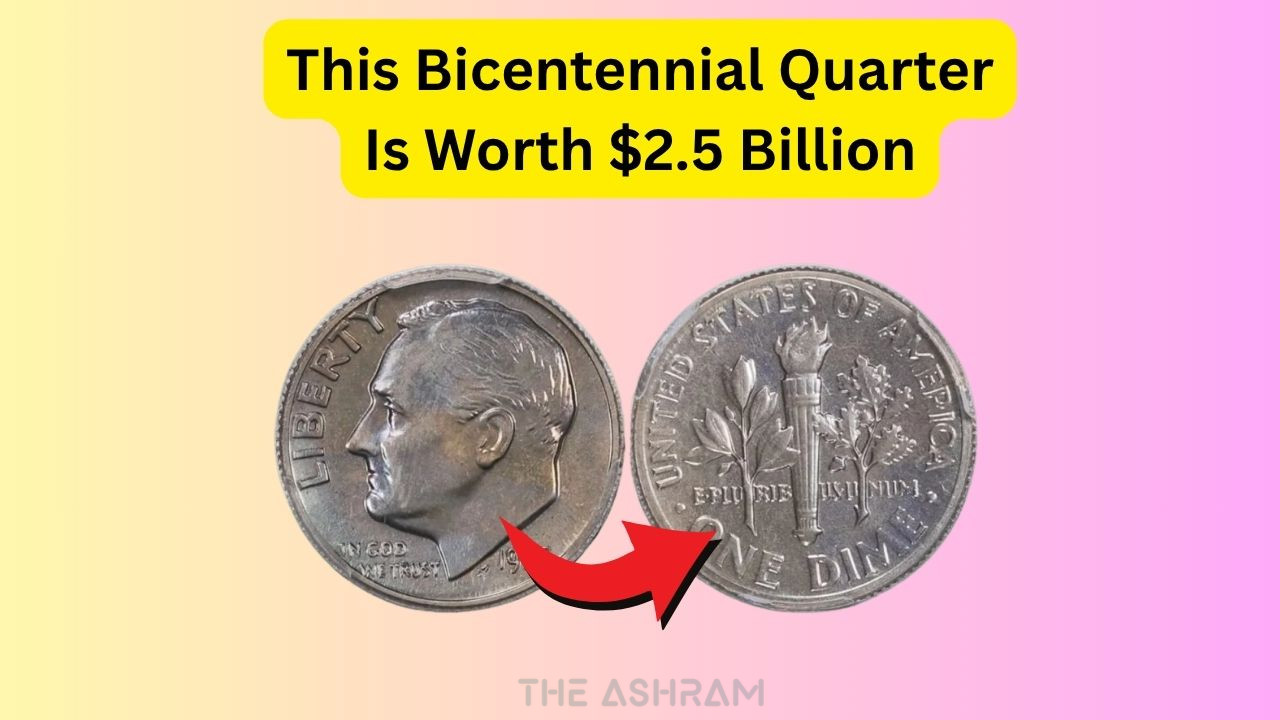
 Could a Rare Bicentennial Quarter in Your Pocket Be Worth $2.5 Billion? Here's How to Identify It
- Rarity: Only a few known to exist.
- Condition: Near-perfect state enhances value.
- Historical Context: Reflects a unique era in minting history.
- Error Coin: Created from a minting mistake.
- Auction Records: Fetches high prices at auctions.
- Collector Demand: Highly sought after by numismatists.
How to Identify a Lincoln Wheat Penny
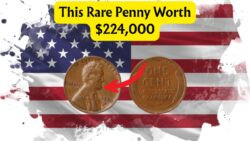
Identifying a Lincoln Wheat Penny involves examining several key features. First, check the obverse for Lincoln’s profile and the date. Next, inspect the reverse for the distinctive wheat stalks, which frame the words “ONE CENT” and “UNITED STATES OF AMERICA.” Additionally, look for the mint mark, which indicates where the coin was produced. Denver pennies have a “D,” while those from San Francisco bear an “S.” Philadelphia coins typically lack a mint mark. It’s crucial to examine coins carefully, as subtle variations can dramatically impact value.
| Feature | Location | Importance | Example | Value Impact |
|---|---|---|---|---|
| Obverse Design | Front | Identifies coin type | Lincoln’s bust | Medium |
| Reverse Design | Back | Confirms wheat penny | Wheat stalks | High |
| Mint Mark | Below date | Indicates mint location | D, S, or none | High |
| Year | Obverse | Determines rarity | e.g., 1943 | Very High |
Common Misconceptions About Rare Coins
Despite the allure of rare coins, several misconceptions persist. One common belief is that all old coins are inherently valuable. While age can contribute to a coin’s worth, rarity, demand, and condition are far more significant factors. Another misconception is that cleaning a coin enhances its value. In reality, cleaning can damage a coin’s surface, reducing its appeal to collectors. Additionally, many assume that all error coins are valuable, yet the significance of the error and the coin’s context are crucial determinants.
- Not all old coins are valuable: Rarity and demand are key.
- Cleaning coins reduces value: Preservation is essential.
- Error significance varies: Not all errors increase value.
Where to Buy and Sell Lincoln Wheat Pennies
- Reputable Dealers: Purchase from trusted sources.
- Online Auctions: Platforms like eBay offer options.
- Coin Shows: Ideal for viewing coins in person.
- Professional Appraisals: Obtain accurate valuations.
- Collector Communities: Engage with fellow enthusiasts.
How to Preserve Your Valuable Coins
- Store in Cool, Dry Places: Protect against humidity.
- Avoid Direct Handling: Use gloves when handling.
- Invest in Coin Holders: Prevent physical damage.
- Avoid Chemical Cleaners: Preserve the original surface.
- Regularly Check for Damage: Ensure ongoing preservation.
Famous Lincoln Wheat Penny Discoveries
- 1943 Copper Penny: Found in a desk drawer.
- 1922 No D Penny: Discovered at a coin show.
- 1944 Steel Cent: Uncovered in a family collection.
- 1955 Double Die: Spotted in pocket change.
Each of these discoveries has captured headlines and captivated the numismatic community, underscoring the enduring allure of these rare coins.
Each discovery reminds us of the hidden treasures still waiting to be found, a testament to the enduring fascination with rare coins.
FAQs About the Lincoln Wheat Penny
What makes the 1943 copper penny so valuable?
Its value stems from its rarity and the fact that it should have been made of steel, making it a rare minting error.
How can I tell if my penny is a valuable error coin?
Look for unusual features like incorrect metal composition or missing mint marks, and consult a professional for verification.
Are Lincoln Wheat Pennies still in circulation today?
While they are rare, some Wheat Pennies can still occasionally be found in pocket change.
What is the best way to sell a valuable penny?
Consider selling through reputable coin dealers or professional auctions to ensure a fair market value.
Can cleaning my penny increase its value?
Cleaning can actually diminish a coin’s value by damaging its surface and reducing its appeal to collectors.